Ivan Turgenev’s Fathers and Children (1862) remains a prescient exploration of ideological clashes and human vulnerability. Its modern relevance unfolds in three dimensions:
-
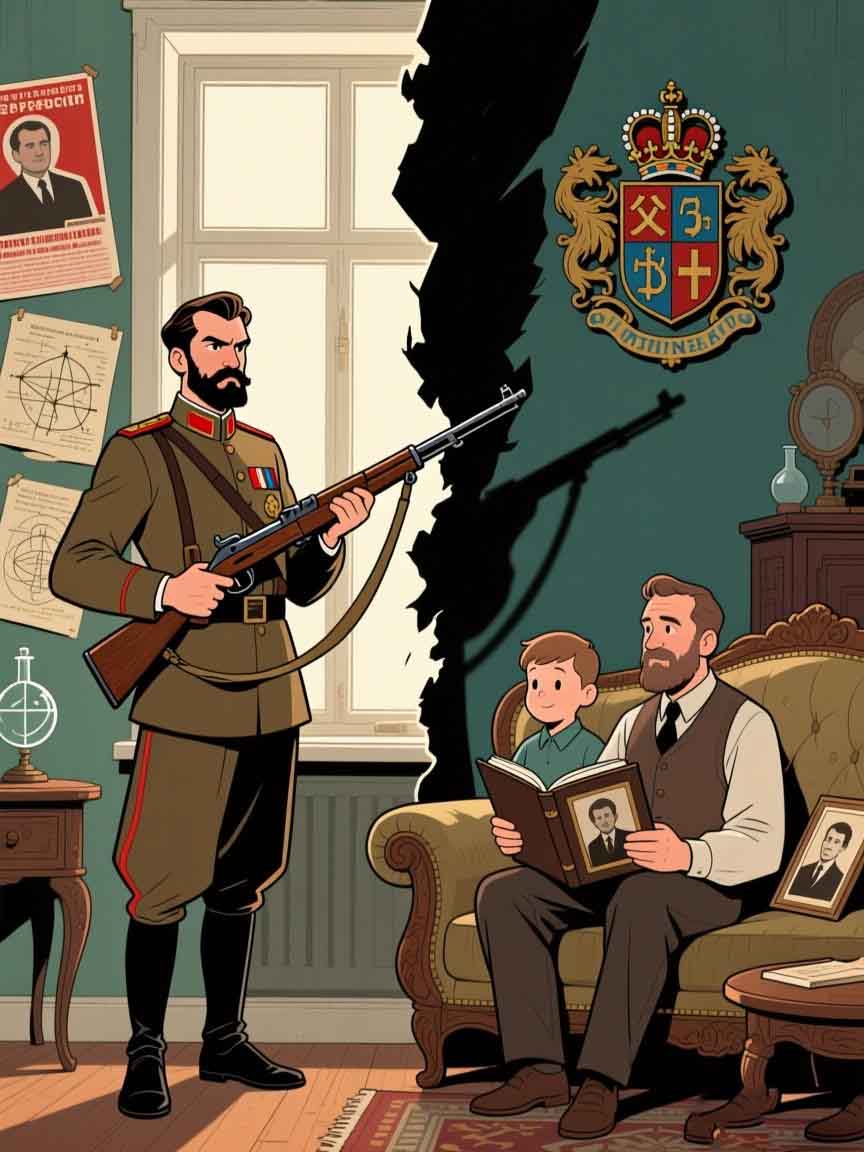
Intergenerational Dynamics: Bazrov’s nihilism mirrors Gen Z’s skepticism toward institutional authority, while Pavel’s traditionalism reflects older generations’ anxiety over cultural erosion;
-
Existential Fragility: Bazrov’s romantic failure and untimely death underscore the limits of rationalism—a caution against tech-utopianism’s neglect of emotional complexity;
-
Social Progress Models: Nikolai’s sale of the estate symbolizes adaptive reform, paralleling modern corporations’ attempts to balance innovation with ethical continuity.
For instance, the global climate movement’s tension between radical demands and policy pragmatism echoes Bazrov’s struggle to translate ideology into action. Turgenev’s novel urges modern societies to embrace dialectical progress: neither blind revolt nor passive conservatism, but a dialogue where tradition informs innovation and vice versa.
 ∷
∷





 7reading
 7reading
 7reading