Welcome: 7reading
Language:
 ∷
∷

∷
 ∷
∷
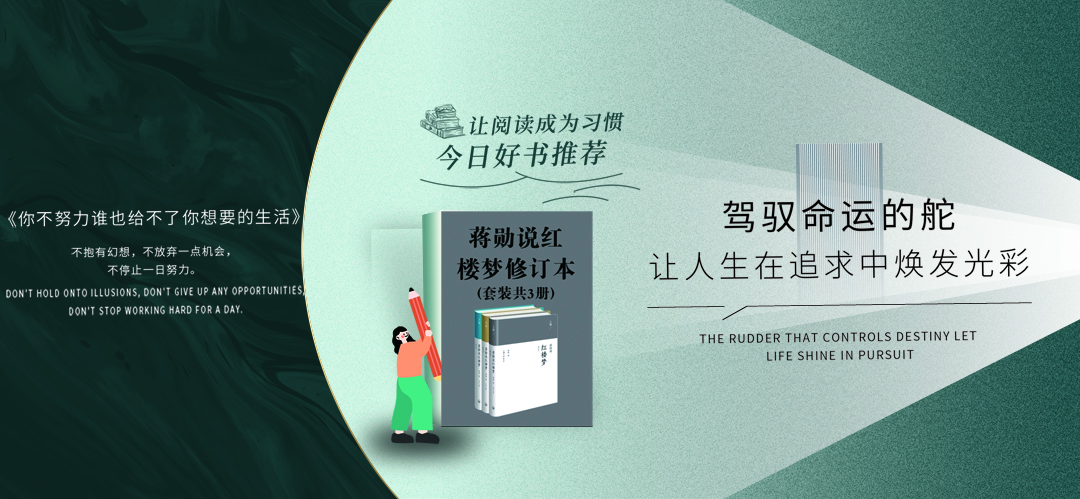

When Emperor Wanli ruled for 30 years without holding court yet maintained control, he pioneered a model of covert power manipulation that foreshadowed modern “governance by proxy.” Like today’s corporations where boards become figureheads while shadow directors pull strings, this false stability masked systemic decay until ministries stood half-empty—a warning that structure without transparency breeds collapse
Zhang Juzheng’s tragedy epitomizes the reform paradox: His “Single Whip Law” boosted efficiency through centralized authority (“orders reached frontiers by dusk”), yet reforms evaporated posthumously amid vindictive清算. This mirrors modern organizations’ reliance on charismatic leaders—change dies with the individual when institutions lack absorptive capacity. As the book notes: “Ming’s cancer was not the absence of reformers, but a system that devoured them”
The Donglin Party’s metamorphosis from moral crusaders to factional predators reveals a timeless truth: Idealism without accountability corrupts. Their witch hunts against “corrupt officials” (while ignoring structural flaws) parallel today’s performative activism—outrage fuels engagement but solves nothing. Hai Rui’s fate underscores this: idolized as “the incorruptible,” yet his principles were weaponized, not institutionalized
Most chilling is the weaponization of truth. Feng Bao’s manipulation of Gao Gong’s words (“a ten-year-old cannot rule”) to engineer his downfall echoes digital-age disinformation. The Wang Dachen assassination plot—where a pawn was poisoned to silence him—exposes how power thrives in informational chaos. As the author notes: “In the game of thrones, truth is the first hostage”
Ultimately, the Ming fell not to invaders but to distributed irresponsibility. Emperor, scholars, and eunuchs each pursued self-interest while the ship sank—a syndrome haunting modern corporations and democracies alike. When accountability dissolves, collapse becomes a group project
Contact: seven
Phone: 139102782@qq.com
Tel: 139102782@qq.com
Email: 139102782@qq.com
Add: Guangzhou China
 7reading
 7reading
 7reading