Welcome: 7reading
Language:
 ∷
∷

∷
 ∷
∷




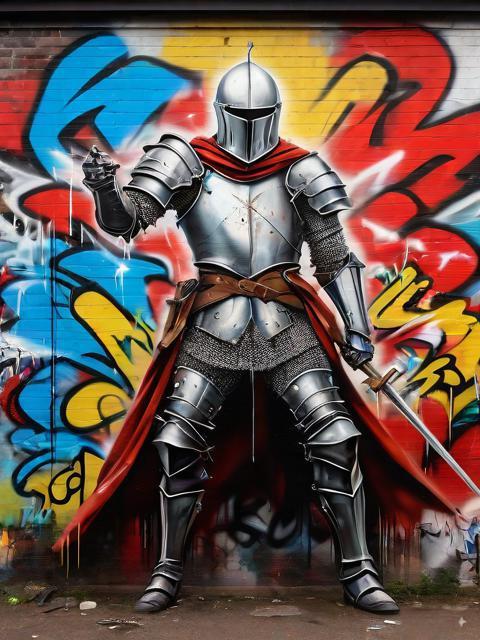
"Don Quixote", written by Miguel de Cervantes, is a timeless masterpiece that transcends the boundaries of literature to offer profound insights into human nature, ideals, and reality. In today's world of information overload and diverse values, this classic continues to provide valuable lessons and life wisdom for modern readers. Below, we explore several key fragments of the novel and their relevance to contemporary society.
Don Quixote is an idealist who believes in the power of chivalric values to transform the world. He relentlessly pursues justice and noble ideals, often at great personal cost. However, his idealism frequently clashes with reality, leading to absurd situations, such as his famous battle with windmills.
Modern Reflection:In contemporary society, many individuals face the challenge of reconciling ideals with reality. Whether in the workplace or personal life, finding a balance between idealism and pragmatism is crucial. Don Quixote's story reminds us that while idealism is noble, it must be grounded in reality to avoid counterproductive outcomes.
Keywords:Idealism, realism, balance, chivalric values, ideals vs. reality---
Don Quixote has a clear sense of self-identity as a knight on a mission to save the world. However, his identity is often rejected and mocked by society. This tension reflects the universal human struggle for self-recognition.
Modern Reflection:In the age of social media, modern people often grapple with issues of identity and self-worth. Don Quixote's story encourages us to recognize that self-identity is not defined by external validation but by inner conviction and belief.
Keywords:Self-identity, recognition, chivalric values, inner conviction, social judgment---
"Don Quixote" is not only a tale of chivalry but also a scathing critique of society. Cervantes uses Don Quixote's adventures to expose the hypocrisy and absurdity of his time, such as the corruption of the Church, the arrogance of nobles, and the ignorance of the common people.
Modern Reflection:In today's world, many of these societal issues persist, such as the abuse of power, social inequality, and human frailty. Don Quixote's story urges us to critically examine both society and humanity, fostering a deeper understanding of the world we live in.
Keywords:Social criticism, human reflection, power abuse, social inequality, human frailty---
Cervantes masterfully uses language and narrative to convey satire and humor, as seen in Don Quixote's delusions about windmills being giants. These narratives highlight the dual power of language to both reveal and obscure reality.
Modern Reflection:In an era of
Keywords:Language, narrative, satire, humor, information dissemination---
Contact: seven
Phone: 139102782@qq.com
Tel: 139102782@qq.com
Email: 139102782@qq.com
Add: Guangzhou China
 7reading
 7reading
 7reading