Welcome: 7reading
Language:
 ∷
∷

∷
 ∷
∷




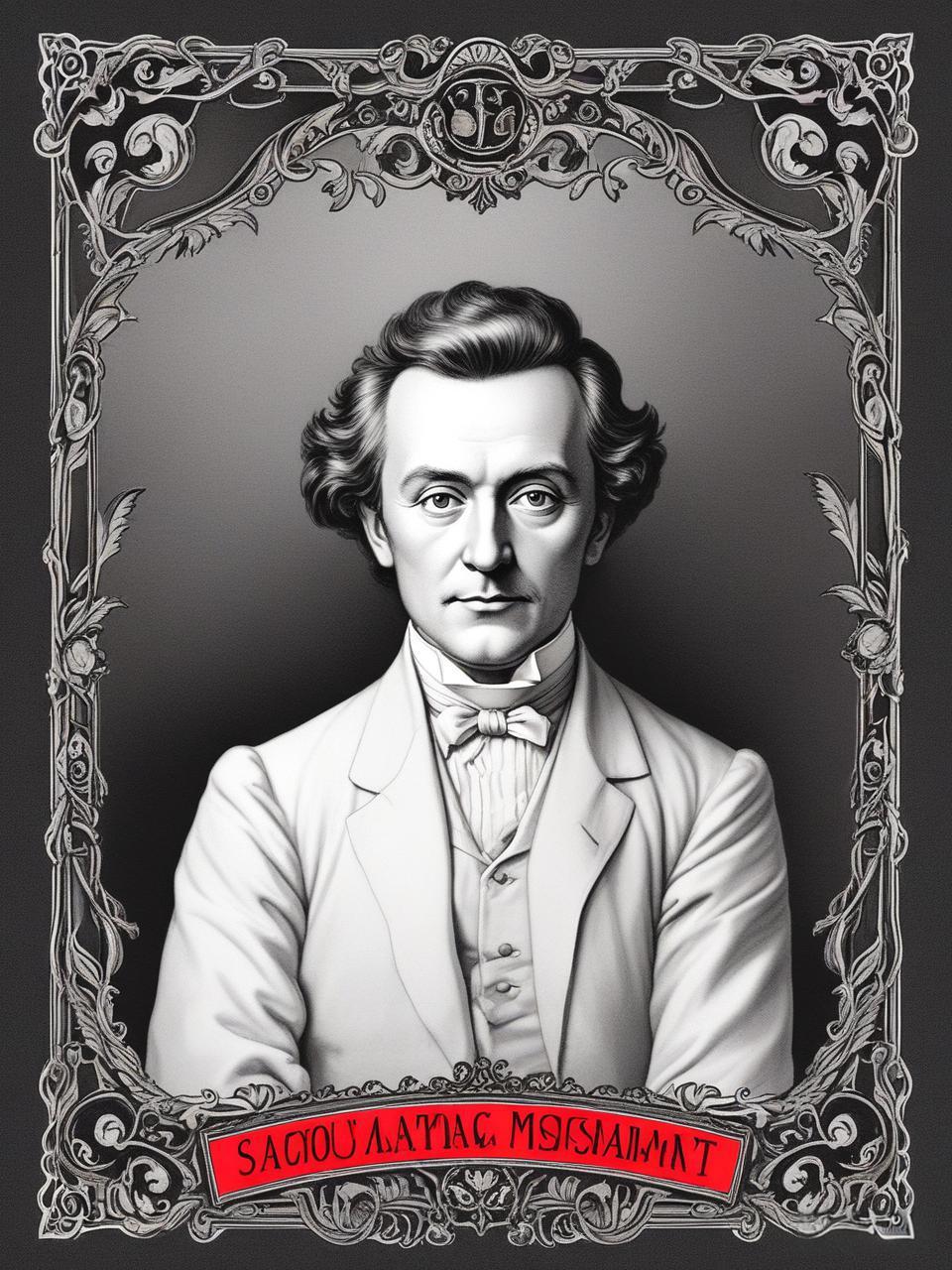
The Balance of Population and Resources: Modern Insights from Malthus's An Essay on the Principle of Population
Malthus's An Essay on the Principle of Population is one of the most influential works in economics and sociology. His central argument—that population growth outpaces resource growth, leading to poverty, hunger, and resource scarcity—remains relevant to modern society. Below are ten key insights from Malthus's theory, with the first three points elaborated in detail:
Malthus argued that population grows geometrically (1, 2, 4, 8, 16...), while resources (especially food) grow arithmetically (1, 2, 3, 4, 5...). This disparity leads to resource shortages and poverty. This theory has significant implications for modern society, where global population growth continues to strain finite resources. Modern readers can learn that achieving sustainable development requires balancing population growth with resource allocation. By optimizing resource use, promoting technological advancements, and controlling population growth, we can mitigate resource pressures and achieve harmony between humans and nature.
Malthus acknowledged that technological progress could alleviate resource shortages to some extent. However, he warned that unchecked technological advancement could also lead to overexploitation of resources and environmental degradation. This warning remains relevant in modern society, where technological progress often outpaces sustainable practices. Modern readers must recognize that while technology can enhance resource efficiency, it must be guided by responsible policies and regulations to ensure it serves sustainable development goals.
Malthus emphasized that the problems of population growth and resource scarcity are exacerbated by social inequality. Unequal resource distribution leads to poverty and social unrest. This theory has profound implications for modern society, where income inequality and resource disparities remain significant global challenges. Modern readers can learn that only through fair resource distribution and effective social policies can we achieve social stability and harmony. By promoting social equity and reducing income disparities, we can alleviate resource distribution pressures and avoid social conflicts.
Malthus's theory reminds us that Earth's environmental carrying capacity is finite. Excessive population growth and resource consumption can lead to environmental degradation and ecological crises. This perspective is particularly relevant in modern society, where climate change and environmental issues are increasingly pressing. Modern readers must prioritize sustainable development by reducing carbon emissions, protecting ecosystems, and promoting green economies to achieve harmony between humans and nature.
Malthus suggested that education and cultural advancements could help control population growth. This insight remains relevant in modern society, where education and women's empowerment are critical tools for effective population management. By improving education, elevating women's status, and promoting family planning policies, modern societies can effectively control population growth and mitigate resource pressures.
Malthus's theory highlights the profound impact of resource competition on society and nations. In modern society, globalization has intensified resource competition, leading to energy crises, food insecurity, and geopolitical conflicts. Modern readers must recognize that only through international cooperation and resource sharing can we achieve fair global resource distribution and efficient utilization.
While Malthus's theory primarily focused on population growth, it also provides insights into modern challenges like population aging. An aging population increases social and economic burdens, threatening stability and development. Modern readers can address this challenge by improving social security systems, encouraging pro-natal policies, and promoting technological innovation.
Malthus's emphasis on food security remains relevant in modern society, where food insecurity is a global issue. Modern readers can mitigate this problem by advancing agricultural technology, increasing food production, and optimizing food distribution to ensure global food security.
Malthus's theory warns of the resource consumption risks associated with urbanization. In modern society, urbanization has intensified energy consumption, environmental pollution, and resource wastage. Modern readers can mitigate these risks by promoting green cities, optimizing urban planning, and improving resource efficiency.
By studying Malthus's theory, modern readers can draw lessons from history and envision future development directions. Malthus's theory reminds us that the relationship between population and resources is a central issue in human societal development. Only through scientific planning, effective management, and global cooperation can we achieve long-term balance between population and resources.
Contact: seven
Phone: 139102782@qq.com
Tel: 139102782@qq.com
Email: 139102782@qq.com
Add: Guangzhou China




 7reading
 7reading
 7reading