Welcome: 7reading
Language:
 ∷
∷

∷
 ∷
∷




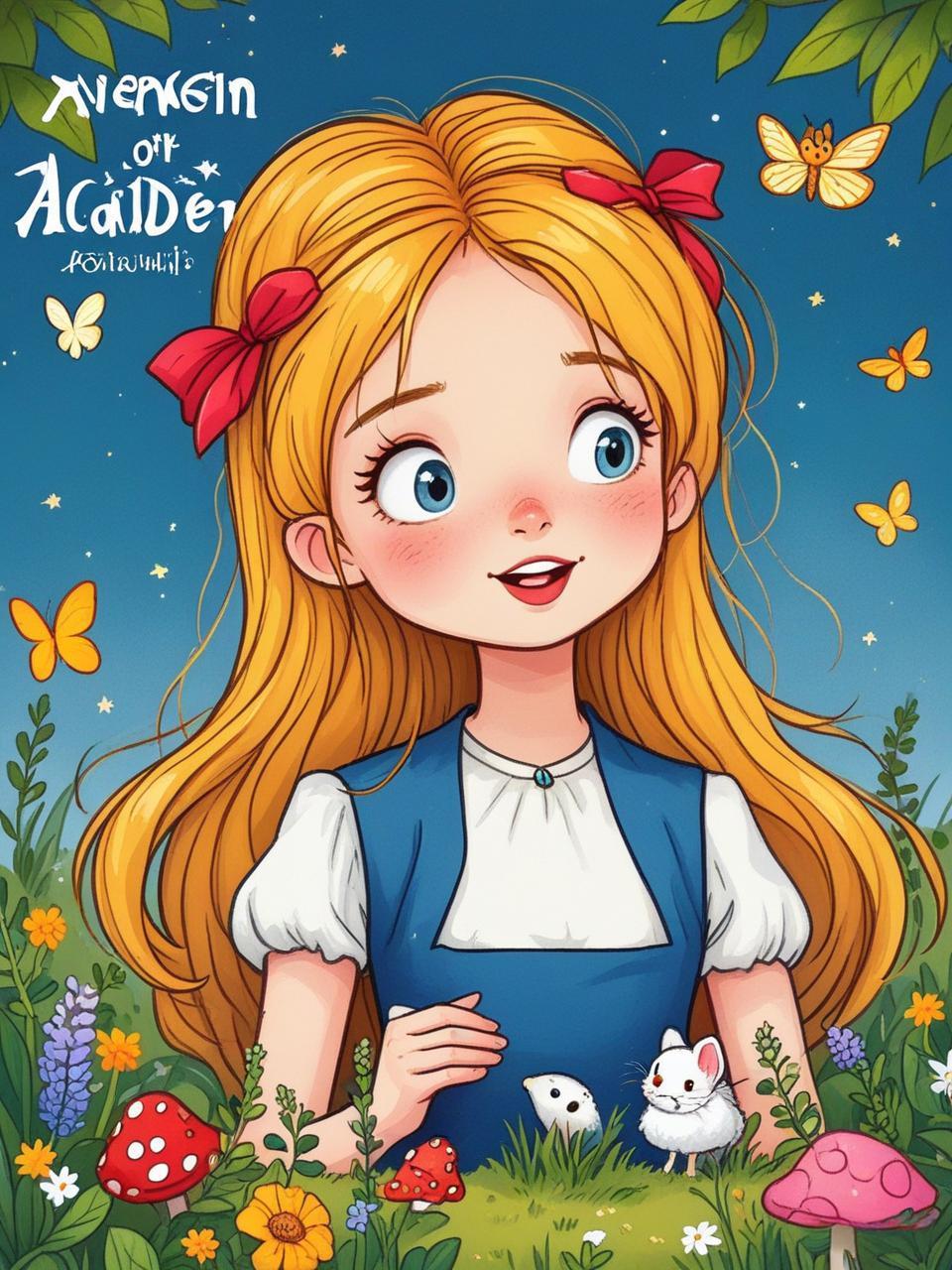
Hans Christian Andersen's fairy tales are a timeless treasure of world literature, offering profound insights into human nature, morality, and life's challenges. Through stories of magic, adventure, and moral lessons, Andersen created a literary legacy that continues to inspire readers today. Below are ten key lessons from Andersen's Fairy Tales, with the first three points elaborated in detail:
Andersen's tales are filled with themes of "truth, goodness, and beauty," as seen in stories like The Little Match Girl and The Ugly Duckling. These stories remind us that, despite societal changes, the pursuit of truth, goodness, and beauty remains a cornerstone of human spirit. In modern society, many individuals struggle with materialism and utilitarianism, often neglecting spiritual pursuits. Andersen's Fairy Tales teach us that only by upholding truth, goodness, and beauty can we achieve true inner fulfillment and societal harmony.
The story of The Ugly Duckling exemplifies the power of courage and perseverance. Despite being ridiculed for its appearance, the ugly duckling remains confident in its eventual transformation into a beautiful swan. This theme reminds us that courage and perseverance are essential qualities for overcoming challenges. In modern society, many individuals struggle with setbacks and easily lose hope. Andersen's Fairy Tales teach us that only by embracing courage and perseverance can we achieve true breakthroughs and success.
The tale of The Princess and the Pea highlights the importance of self-discovery and growth. The princess, though seemingly delicate, demonstrates a keen awareness of her own sensitivity, ultimately winning the prince's respect. This theme reminds us that self-discovery and growth are crucial for achieving personal value. In modern society, many individuals struggle with a lack of self-awareness and growth. Andersen's Fairy Tales teach us that only through self-discovery and growth can we achieve true personal value and societal contribution.
The story of The Little Mermaid demonstrates the transformative power of love and sacrifice. The little mermaid willingly sacrifices her voice and life for the love of a prince. This theme reminds us that love and sacrifice are the foundation of healthy relationships. In modern society, many individuals struggle with a lack of love and sacrifice, leading to conflict and isolation. Andersen's Fairy Tales teach us that only through love and sacrifice can we achieve true harmony and happiness.
The tale of The Little Match Girl illustrates the power of hope and perseverance. Despite her tragic fate, the little girl's hope for a better life inspires admiration. This theme reminds us that hope and perseverance are essential for overcoming difficulties and achieving goals. In modern society, many individuals struggle with hopelessness and lack of perseverance. Andersen's Fairy Tales teach us that only by embracing hope and perseverance can we achieve true breakthroughs and success.
The story of The Emperor's New Clothes underscores the importance of fairness and justice. The emperor's nakedness, though obvious to all, is met with silence due to fear of embarrassment. This theme reminds us that fairness and justice are essential for societal progress. In modern society, many individuals struggle with social inequality and injustice. Andersen's Fairy Tales teach us that only by pursuing fairness and justice can we achieve true societal harmony and personal happiness.
The tale of The Nightingale highlights the importance of environmental harmony. The genuine nightingale's natural beauty and song captivate the emperor, while the mechanical nightingale's artificiality ultimately fails. This theme reminds us that environmental harmony is crucial for sustainable development. In modern society, many individuals struggle with environmental degradation and a lack of awareness. Andersen's Fairy Tales teach us that only by protecting the environment and promoting harmony can we achieve true sustainability and societal progress.
Andersen's collection of fairy tales itself serves as a testament to the importance of tradition and heritage. By preserving and sharing these stories, Andersen ensured that future generations could learn from and appreciate their cultural roots. This theme reminds us that tradition and heritage are vital for cultural development. In modern society, many individuals struggle with a lack of connection to their roots and cultural identity. Andersen's Fairy Tales teach us that only by respecting tradition and heritage can we achieve true cultural development and value reconstruction.
The story of Snow White demonstrates the power of knowledge and education. The mirror's wisdom helps Snow White escape her predicament, symbolizing the importance of knowledge and education. This theme reminds us that knowledge and education are crucial for achieving personal development. In modern society, many individuals struggle with a lack of knowledge and education. Andersen's Fairy Tales teach us that only through knowledge and education can we achieve true self-improvement and societal progress.
Andersen's tales often portray the complexity of human nature. For example, The Little Match Girl is both innocent and vulnerable, while The Ugly Duckling is both insecure and resilient. This theme reminds us that human nature is multifaceted, and our actions are often shaped by a combination of flaws and virtues. In modern society, many individuals struggle with the complexities of their own nature. Andersen's Fairy Tales teach us that only by understanding and embracing the complexity of human nature can we achieve true self-awareness and societal harmony.
Contact: seven
Phone: 139102782@qq.com
Tel: 139102782@qq.com
Email: 139102782@qq.com
Add: Guangzhou China
 7reading
 7reading
 7reading