Welcome: 7reading
Language:
 ∷
∷

∷
 ∷
∷





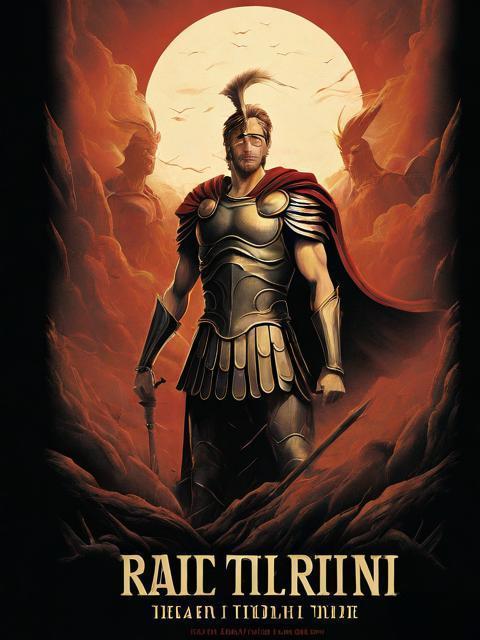
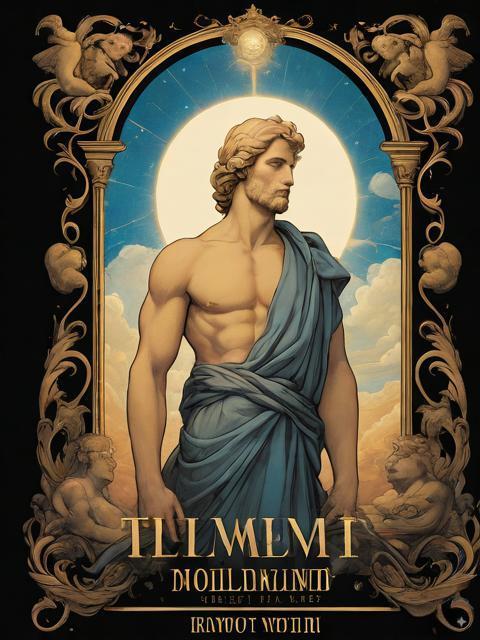
Molière's Tartuffe (or The Hypocrite) is a timeless classic that exposes the hypocrisy and contradictions of human nature. Its relevance to modern audiences lies in its ability to mirror the societal and personal flaws that persist today. Below are some key insights from the play and its implications for contemporary life:
Recognizing Hypocrisy and the Masks of DeceptionTartuffe, the central character, embodies the essence of hypocrisy. He presents himself as pious and virtuous while harboring selfish and corrupt intentions. Molière's portrayal of Tartuffe serves as a cautionary tale, reminding us to remain vigilant against the masks of deception that people often wear. In modern society, where social media and superficial appearances dominate, Molière's insight is more relevant than ever. It encourages us to look beyond appearances and judge individuals based on their true character and actions.
Beware of Blind Trust and PrejudiceIn the play, Orgon and his mother, Madame Pernelle, blindly trust Tartuffe, despite his manipulative and deceitful nature. This reflects a human tendency to be swayed by external appearances or preconceived notions. Molière's message warns against the dangers of blind trust and prejudice, urging us to approach relationships and judgments with reason and objectivity. In today's world, this lesson is particularly important in personal relationships, professional interactions, and even political decisions.
The Modern Relevance of Rationality and HumorMolière's comedy is not only a critique of hypocrisy but also a celebration of wit and rationality. Through satire and humor, he exposes societal flaws and invites audiences to reflect on their own behavior. This approach has a profound modern significance. In a world often consumed by conflict and division, Molière's humor reminds us of the importance of maintaining a balanced and rational perspective. Laughter, as he demonstrates, can be a powerful tool for understanding and addressing human weaknesses.
Social Criticism and Moral ReflectionTartuffe is a sharp critique of religious hypocrisy and the abuse of power. Molière's play challenges societal norms and encourages individuals to question authority and moral righteousness. In modern times, this critique extends to issues such as corruption, inequality, and the manipulation of public opinion. Molière's work inspires us to remain critical thinkers, advocating for truth, justice, and integrity in all aspects of life.
In conclusion, Tartuffe is not only a masterpiece of comedy but also a profound reflection on human nature and societal values. Molière's insights continue to resonate in contemporary society, offering timeless lessons on authenticity, rationality, and the importance of questioning the world around us.
Contact: seven
Phone: 139102782@qq.com
Tel: 139102782@qq.com
Email: 139102782@qq.com
Add: Guangzhou China

 7reading
 7reading
 7reading