Western classics
The Struggle Between Money and Humanity: Modern Insights from Molière's 'The Miser'
- Handbook
- Open Up' Handbook
- Forward High Energy
- High Energy
- Product description: The Struggle Between Money and Humanity: Modern Insights from Molière's 'The Miser'
-
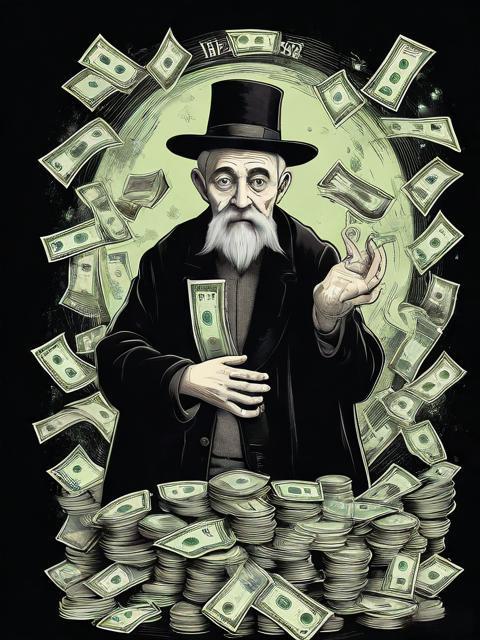
The Struggle Between Money and Humanity: Modern Insights from Molière's 'The Miser'**Molière's The Miser is a timeless comedy that explores the clash between greed and humanity. Its relevance to modern audiences lies in its ability to mirror the societal and personal flaws that persist today. Below are some key insights from the play and its implications for contemporary life:
1. The Destruction of Family Relationships by MoneyIn The Miser, Harpagon is an extreme miser who prioritizes money above all else, even at the expense of his family relationships. His behavior reveals how greed can corrode human nature and destroy familial bonds. In modern society, many families face conflicts over wealth distribution or inheritance, leading to broken relationships. Molière's portrayal of Harpagon reminds us that an excessive pursuit of wealth can lead to the neglect of and the breakdown of family ties.
2. The Conflict Between Personal Freedom and Material DesiresHarpagon's son, Cléante, hides his debts from his father to pursue true love, leading to a fierce conflict. This reflects the tension between personal freedom and material desires. In modern society, many individuals prioritize material wealth over their emotional and personal aspirations, often leading to anxiety and inner conflict. Molière's play reminds us that true happiness lies not in accumulating wealth but in pursuing one's passions and authenticity.
3. The Imbalance Between Rationality and EmotionHarpagon's miserly behavior, though seemingly rational, is driven by an obsessive fixation on money. This highlights the imbalance between rationality and emotion in human nature. In contemporary society, many people prioritize logic over feelings, often neglecting the importance of emotional well-being. Molière's play underscores the need for a balance between reason and emotion to achieve true happiness and harmony.
4. Social Criticism and Moral ReflectionThrough the character of Harpagon, Molière critiques the materialistic values of bourgeois society and the corruption of human nature. In modern times, this critique remains relevant. Whether reflecting on societal structures or personal behavior, Molière's play inspires us to confront reality, uphold truth and justice, and resist being swayed by power and greed.In conclusion, The Miser is not only a classic comedy but also a profound reflection on human nature and societal values. Molière's insights continue to resonate in contemporary society, offering timeless lessons on the interplay between money, humanity, and the pursuit of true happiness.
 ∷
∷








 7reading
 7reading
 7reading