Welcome: 7reading
Language:
 ∷
∷

∷
 ∷
∷




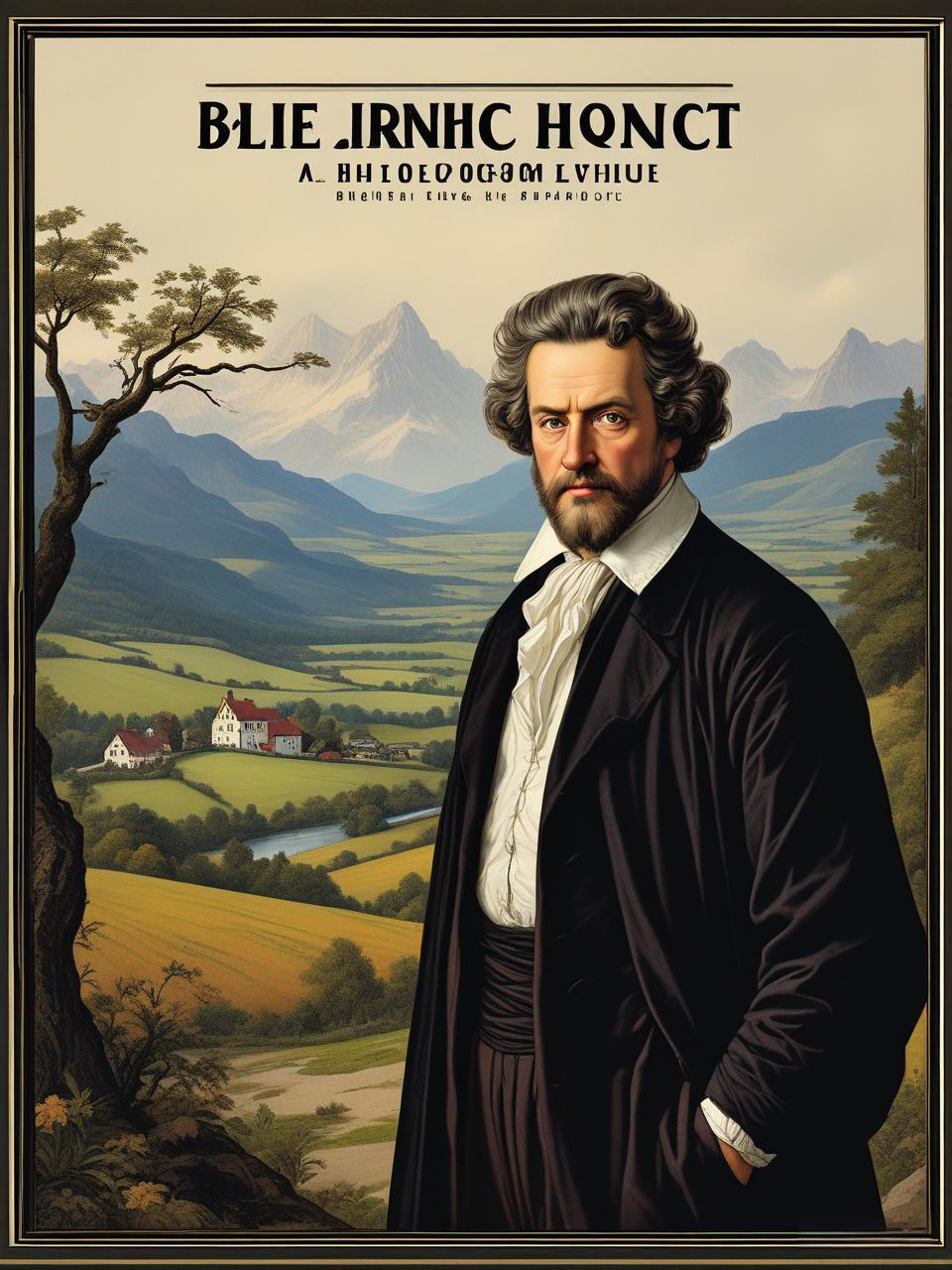
Hegel's Aesthetics is a profound exploration of the relationship between beauty, art, and philosophy, offering timeless insights into the nature of beauty and the role of art in human society. Through his analysis of artistic forms, the essence of beauty, and the connection between art and society, Hegel provides a framework for understanding the enduring relevance of art in modern times. Below are ten key lessons from Aesthetics, with the first three points elaborated in detail:
Hegel argues that beauty is the unity of idea and reality, the outward expression of absolute spirit. True beauty, he claims, is not merely a superficial appearance but the harmonious integration of inner meaning and outer form. This theme reminds us that beauty is not merely a matter of aesthetics but a reflection of deeper truths. In modern society, many individuals pursue superficial beauty without considering its deeper significance. Hegel's insight teaches us that only by understanding the connection between beauty and reality can we truly appreciate its value.
Hegel emphasizes that art is not merely a personal expression but a cultural and societal phenomenon. Through its creation and appreciation, art educates individuals and communities, fostering moral and ethical reflection. This theme reminds us that art is not just a form of entertainment but a powerful tool for social progress and cultural development. In modern society, many individuals overlook the educational and enlightening role of art. Hegel's insight teaches us that only through art can we achieve true social progress and cultural flourishing.
Hegel stresses that a work of art must be the perfect unity of idea and form, where the inner meaning is fully expressed through the outer medium. This theme reminds us that art is not merely about innovation in form but about the balance between content and expression. In modern society, many individuals pursue formal innovation at the expense of depth and meaning. Hegel's insight teaches us that only through the unity of idea and form can we achieve true artistic value and aesthetic experience.
Hegel believes that art is the sensuous expression of philosophy, and philosophy is the rational exploration of art. Together, they represent the unity of reason and sensibility. This theme reminds us that art and philosophy are complementary, and only through their integration can we achieve true understanding. In modern society, many individuals neglect the philosophical depth of art. Hegel's insight teaches us that only through the unity of art and philosophy can we achieve true intellectual and emotional fulfillment.
Hegel identifies three forms of art—symbolic, classical, and romantic—each reflecting different cultural and historical contexts. This theme reminds us that the diversity of art is a reflection of human cultural evolution, but its essence remains universally true. In modern society, many individuals are overwhelmed by cultural diversity. Hegel's insight teaches us that only by understanding the unity behind diversity can we achieve true cultural appreciation and artistic understanding.
Hegel argues that great works of art transcend time and space because they express universal truths and eternal ideas. This theme reminds us that true art has enduring value and meaning. In modern society, many individuals pursue fleeting trends at the expense of timeless beauty. Hegel's insight teaches us that only by valuing the timeless nature of art can we truly appreciate its significance.
Hegel believes that art has the power to educate individuals and society by fostering moral and ethical reflection. Through its aesthetic forms, art can inspire individuals to consider deeper questions of right and wrong. This theme reminds us that art is not just about aesthetics but also about ethical and moral improvement. In modern society, many individuals overlook the educational role of art. Hegel's insight teaches us that only through art can we achieve true moral and ethical growth.
Hegel sees both art and religion as expressions of the divine, with art representing the sensuous and religion representing the spiritual. This theme reminds us that art and religion, though different in form, share a common purpose in expressing the sacred. In modern society, many individuals struggle with the separation of art and religion. Hegel's insight teaches us that only by understanding their shared essence can we achieve true spiritual and cultural unity.
Hegel believes that art is deeply rooted in history and reflects the cultural and historical context of its time. This theme reminds us that art is not just a reflection of history but also a mirror of its values and aspirations. In modern society, many individuals neglect the historical depth of art. Hegel's insight teaches us that only by understanding the connection between art and history can we achieve true cultural preservation and artistic innovation.
Hegel argues that art is not only a reflection of reality but also a critique and transformation of it. Through its aesthetic forms, art can reveal the shortcomings of society and inspire individuals to envision a better future. This theme reminds us that art is not just about imitation but also about critique and transcendence. In modern society, many individuals overlook the critical role of art. Hegel's insight teaches us that only through art can we achieve true social progress and cultural transformation.
Contact: seven
Phone: 139102782@qq.com
Tel: 139102782@qq.com
Email: 139102782@qq.com
Add: Guangzhou China
 7reading
 7reading
 7reading