Welcome: 7reading
Language:
 ∷
∷

∷
 ∷
∷




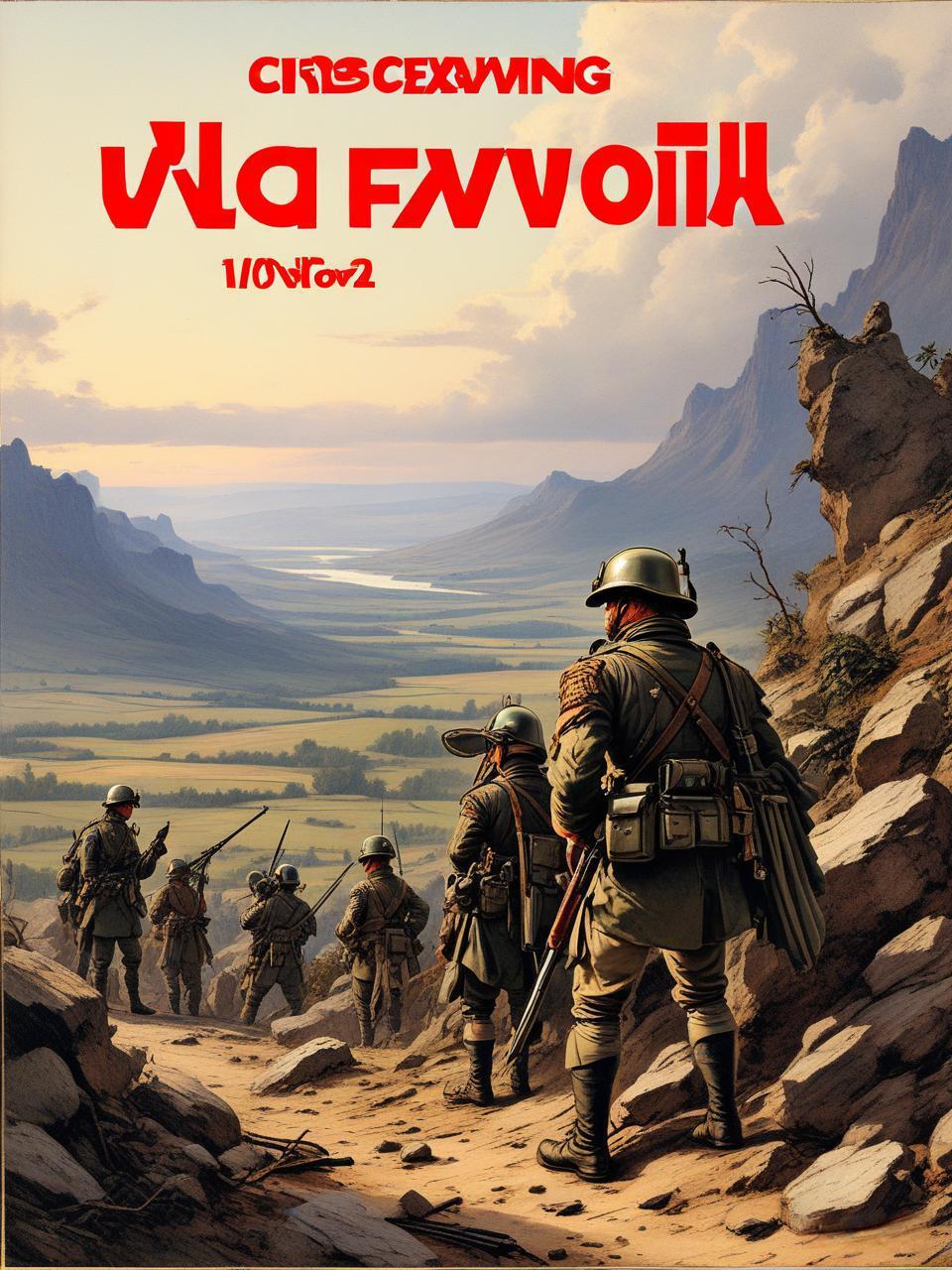
Carl von Clausewitz's On War is a seminal work of military theory that offers profound insights into the nature of conflict, strategy, and leadership. By analyzing the relationship between war, politics, and human behavior, Clausewitz provides timeless lessons that resonate with modern readers. Below are ten key insights from On War, with the first three points elaborated in detail:
Clausewitz argues that war is the continuation of politics by other means, emphasizing that political objectives must guide military actions. This theme reminds us that the unity of purpose and means is crucial for achieving success. In modern society, whether in business competition, policy-making, or personal planning, clear goals and strategic alignment are essential for effective decision-making.
Clausewitz introduces the concept of "friction," highlighting the inevitable gap between plans and their execution in war. He emphasizes that uncertainty and complexity are inherent in any conflict, and only through adaptability and resilience can one navigate these challenges. This insight reminds us that in any field, flexibility and adaptability are key to overcoming unexpected obstacles and achieving success.
Clausewitz stresses that concentrating forces is critical to achieving victory in war. By focusing resources on key points, one can create decisive advantages. This principle reminds us that in modern society, whether in business, project management, or personal growth, concentrating efforts and resources is essential for overcoming challenges and achieving breakthroughs.
Clausewitz underscores the significance of moral and psychological factors in war, emphasizing that the willpower of soldiers and the leadership of commanders are decisive in achieving victory. This theme reminds us that in any endeavor, mental strength and effective leadership are crucial for overcoming difficulties and inspiring others.
Clausewitz explores the relationship between defense and offense, arguing that defense is not passive but an opportunity to exploit the enemy's weaknesses. This theme reminds us that in any competitive situation, flexibility and strategic balance are essential for achieving success.
Clausewitz highlights the importance of mobilizing the entire society in war, emphasizing that the support and participation of the people are critical to achieving victory. This insight reminds us that in modern society, whether in social movements, policy implementation, or organizational change, broad participation and collective effort are essential for success.
Clausewitz emphasizes that strategy and tactics are inseparable in war, with strategy guiding the overall direction and tactics implementing it. This theme reminds us that in any field, balancing long-term goals with immediate actions is essential for achieving success.
Clausewitz acknowledges the probabilistic nature of war, emphasizing that success often depends on calculating risks and managing uncertainties. This insight reminds us that in modern society, whether in business, personal decisions, or policy-making, probabilistic thinking and risk management are crucial for navigating complex environments.
Clausewitz underscores the moral and ethical dimensions of war, arguing that war must serve just purposes and be conducted with restraint. This theme reminds us that in any field, actions must be guided by ethical principles and a sense of responsibility to achieve sustainable progress and harmony.
Clausewitz views war as both an art and a science, emphasizing that success requires the integration of theoretical knowledge with practical experience. This insight reminds us that in modern society, whether in academia, technology, or personal development, the combination of theory and practice is essential for achieving meaningful progress.
Contact: seven
Phone: 139102782@qq.com
Tel: 139102782@qq.com
Email: 139102782@qq.com
Add: Guangzhou China



 7reading
 7reading
 7reading